
New York City. Summer, 1978.
With the terror of the Son of Sam murders and the chaos of the previous summer’s citywide blackout finally in the rearview mirror, New York City was desperately in need of a good time. And disco was happy to oblige.
The pulsating music was seemingly everywhere. Studio 54, the decadent soft center of 70’s hedonism was barely one year into its legendary, short-lived run and already establishing itself as the epicenter of a cultural revolution. The sounds of Donna Summer, the Bee Gees, Gloria Gaynor, and Chic filled dance floors across all five boroughs.
But disco was more than a musical phenomenon. Beneath the spinning mirrored balls, New Yorkers of different races, ethnicities, sexual orientations, and socioeconomic backgrounds came together on dance floors that seemed to erase, if only for a few hours, many of the divisions that separated them outside the clubs.
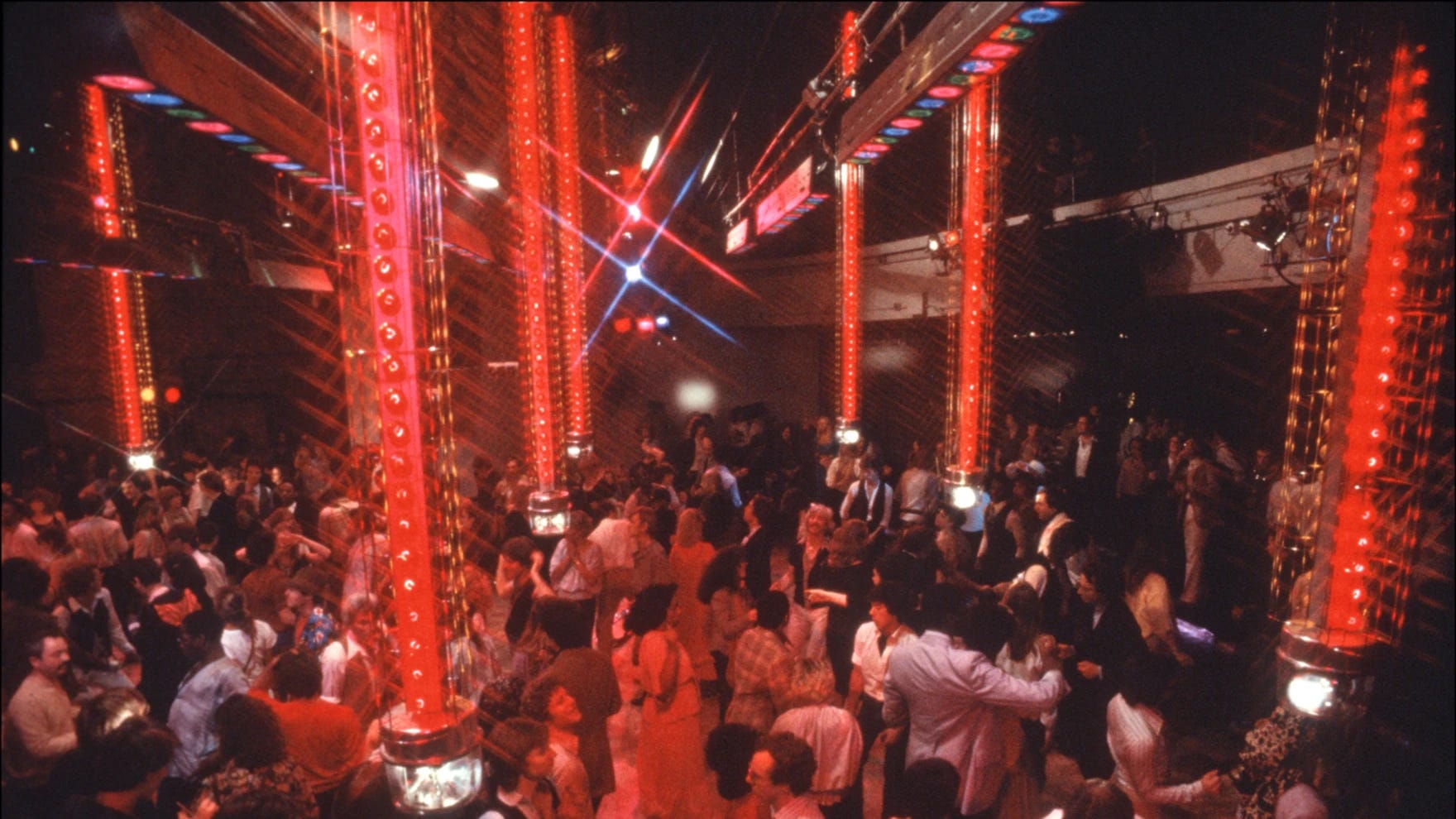
But on the radio, the old order remained largely intact. At 770 on the AM dial, WABC’s legendary Musicradio 77 reigned supreme. Its powerful signal carried a predictable mix of mainstream pop, rock, rhythm and blues, and the occasional disco hit, delivered by some of the most recognizable voices in American broadcasting. Harry Harrison, Ron Lundy, Dan Ingram, and George Michael were radio royalty, whose enormous popularity had helped make WABC the undisputed king of New York radio.
Meanwhile, the city’s FM stations were still fighting for their place in the broadcasting hierarchy. Few could have imagined that a struggling FM station, not even ranked among New York’s top twenty most popular, was about to dethrone the reigning champ and rewrite the rules of American broadcasting. And somewhere in that crowded radio landscape was a little-known Puerto Rican broadcaster named Manuel Francisco Navarro. His listeners knew him simply as Paco.
Before Angie Martinez became a defining voice on New York radio, before DJ Camilo made his mark at Hot 97, and before Enrique Santos built his national platform at iHeartMedia, there was Paco Navarro. And what he accomplished nearly half a century ago deserves a prominent place in the history of our beloved industry.
From Spanish-Language Radio to the Biggest Stage in America
By 1978, Paco Navarro was hardly a newcomer.
Born in Puerto Rico, he began his broadcasting career as a teenager and eventually established himself at New York’s WJIT-AM, where he became a familiar voice to the city’s growing Hispanic population. But in those days, Spanish-language broadcasting operated largely outside the attention of mainstream American media. Hispanic radio personalities could enjoy enormous popularity among our community but there was an invisible boundary separating the two worlds. Paco was about to cross it.
WJIT had a sister station, WKTU-FM, which was struggling to attract an audience with its mellow music format. Navarro later recalled suggesting that WKTU embrace disco, recognizing that the music dominating New York’s nightclubs represented a largely untapped radio opportunity.
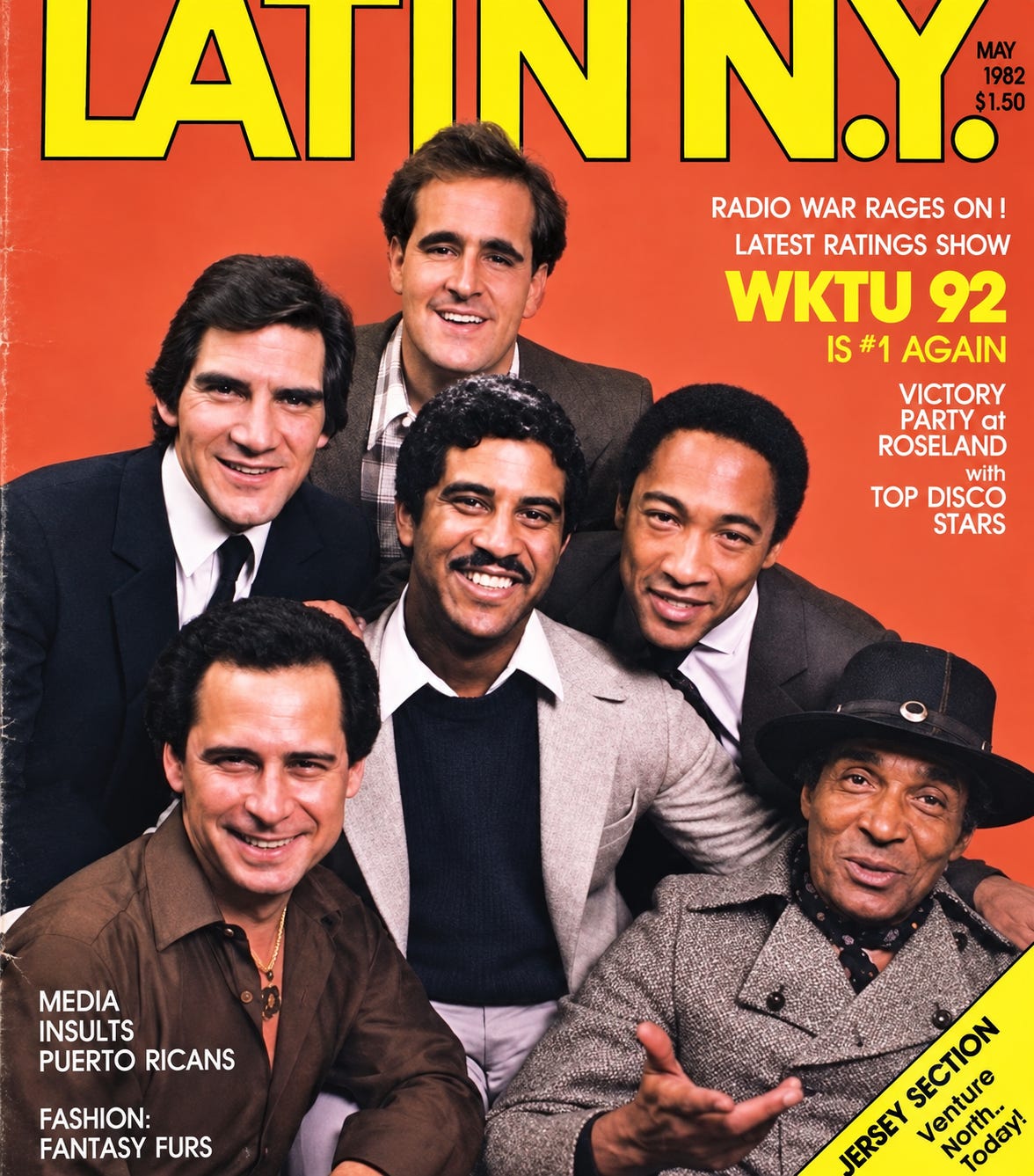
On July 24, 1978, WKTU made the switch and Disco 92 was born. And Paco Navarro, the Spanish-language broadcaster with the distinctive Puerto Rican accent and unmistakable personality, became one of its signature voices.
The Summer New York Radio Changed
The ratings that followed were astonishing.
Before its transformation, WKTU attracted less than 1% of New York’s radio audience. Within months, the station commanded an 11.3% audience share, overtaking WABC and disrupting a competitive landscape that had seemed almost unchangeable.
But Paco’s individual success was even more remarkable. His 6 to 10 p.m. timeslot, attracted an extraordinary 20% share of the listening audience. One out of every five people listening to radio in New York during those hours was tuned to Paco Navarro.
Let that sink in. A Puerto Rican broadcaster who had built his career in Spanish-language radio was now commanding an enormous mainstream audience in the largest radio market in America.
This wasn’t Miami or San Juan. It wasn’t a Spanish-language station serving a predominantly Hispanic audience. This was New York City. And this was 1978. Long before crossover became an industry buzzword, Paco Navarro was living it.
The Accent Wasn’t a Liability. It Was Part of His Appeal.
One of the most fascinating aspects of Navarro’s success was that he made little effort to blend into the mainstream radio crowd. His Puerto Rican accent remained unmistakable. His delivery was warm, playful, and predictably flirtatious. He spoke to listeners with an intimacy that made them feel as though they were sharing the evening with an old friend.
His signature introduction became instantly recognizable:
“Paco’s my name and disco’s my game.”
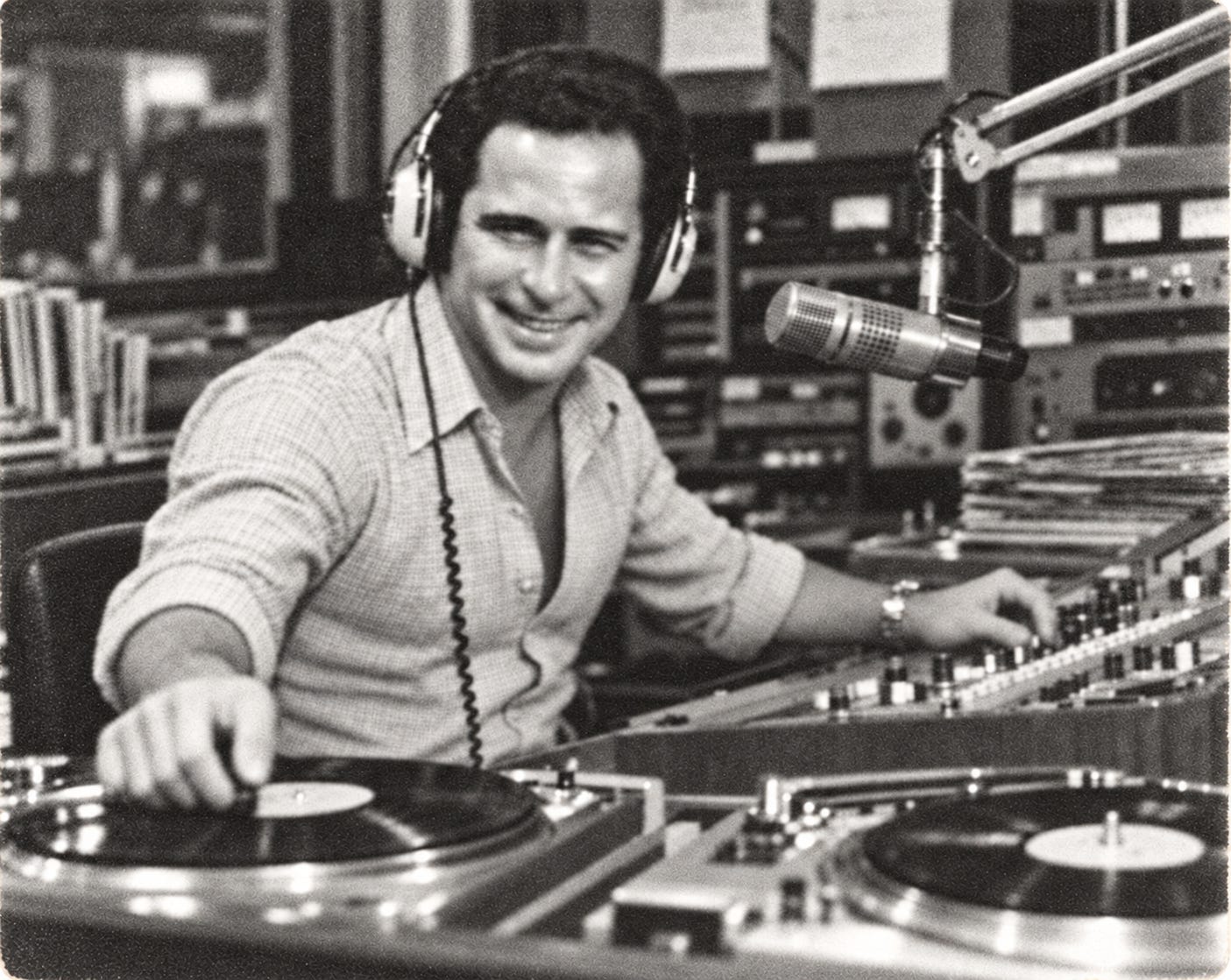
In a January 1979 interview with Billboard, Paco spoke openly about his accent, suggesting that it made him distinctive and that Latino listeners took pride in seeing him succeed beyond Spanish-language radio. It was a revealing observation. For years, the conventional wisdom in broadcasting had implicitly suggested that mainstream success required assimilation into an established American radio persona.
Paco however, offered a different proposition. What if authenticity was an advantage? What if an accent wasn’t an obstacle to overcome, but part of what made a personality memorable? What if audiences cared less about where a broadcaster came from than about how that broadcaster made them feel?
Paco Navarro didn’t need a marketing study to answer those questions. He understood the moment and before long he had the ratings to prove it.
More Than a Radio Phenomenon
There is something fitting about a Puerto Rican broadcaster becoming one of the defining voices of that transformation. Paco understood the music because he understood the city. He recognized that the audiences packing New York dance floors couldn’t care less about the cultural divisions that shaped the broadcasting industry. They were there for the music and the energy. And they were eager to belong to something larger than themselves.
And Paco knew how to make them feel. His achievement was more than a ratings success. It was evidence that the boundaries separating ethnic broadcasting from mainstream American entertainment were neither natural nor permanent. They could be crossed. And now they were about to be shattered.
The Legacy of a Pioneer
Paco’s career was not without personal setbacks. After leaving WKTU, he experienced business failures and a criminal conviction that led to imprisonment. He eventually returned to broadcasting, primarily on Spanish-language radio, but never recaptured the extraordinary mainstream prominence of his Disco 92 years.
But Paco Navarro’s legacy extends well beyond his extraordinary ratings or the cultural phenomenon of Disco 92. At a time when Latino broadcasters were largely confined to Spanish-language radio, he shattered barriers and demonstrated that talent, charisma, and cultural identity could transcend the boundaries the industry had imposed. In doing so, he helped pave the way for countless Latino radio personalities who followed, opening doors that had long seemed closed.
His was a complicated life, as many extraordinary lives are. Yet those later difficulties do not erase what happened in New York during the closing years of the 1970s. For a remarkable moment, a Puerto Rican radio personality stood among the most popular broadcasters in America.
And for one unforgettable moment, New York belonged to him.
This essay is part of an ongoing series exploring the pioneers, personalities, and defining moments in the history of U.S. Hispanic broadcasting and advertising.
Paco and I worked together for years during the 90's when he was on both Radio Wado in the early 90's and then later on Amor 93.1. I was his on-air traffic reporter - I went by just "Melissa" on Amor. We had a great time on-air. He was a wonderful guy and a great friend. We'd hang out after our shifts with others from the station at a restaurant down the block and even after we were no longer in radio we kept in touch all throughout the years until he passed away. He was one of the nicest, kindest guys in radio. Although he threw me under the bus our very first time on-air (and my very first time on radio!) - and it was good I didn't know at the time that this guy named Paco I was on-air with was THE Paco I grew up listening to on KTU. It was all great fun.
I miss him. He was a truly wonderful human.
Loved this article, I grew up listening to Paco. That voice, was unique!